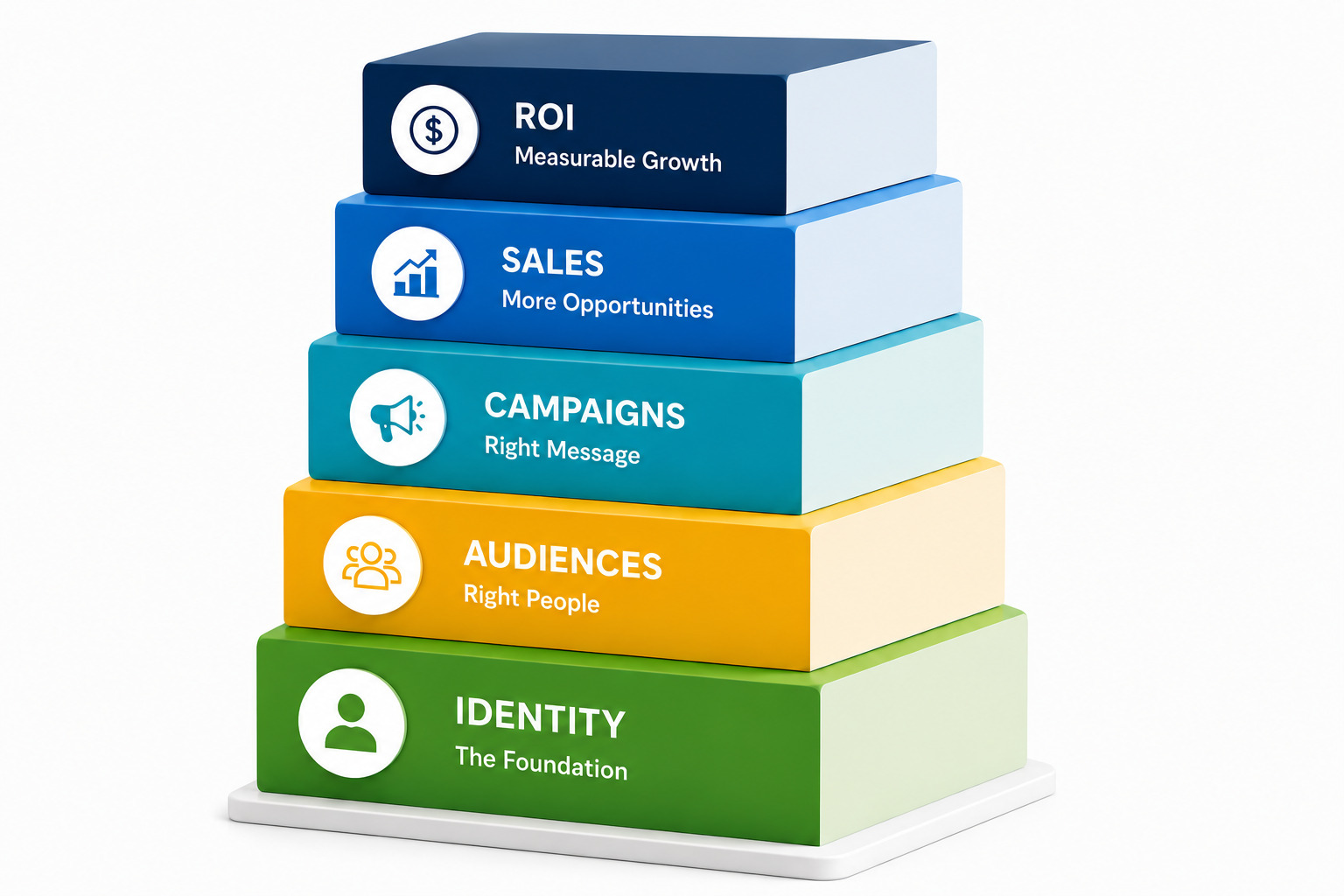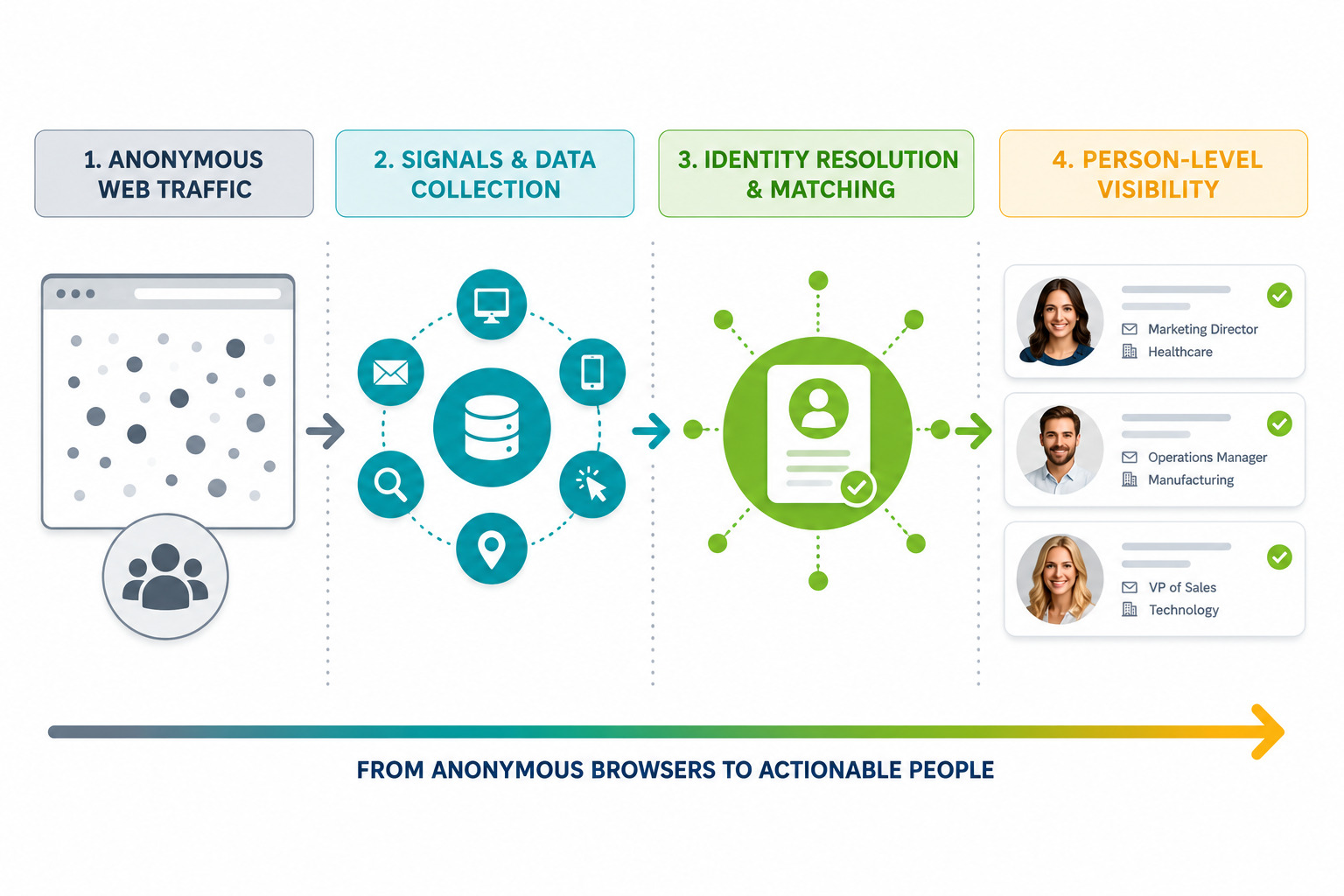

 A simple tension will shape the future of digital identity. Marketers need better recognition, better measurement, and better personalization. On the other side of the coin, buyers, regulators, and platforms will continue to demand more privacy, more transparency, and better governance. The organizations that adapt well will be the ones that build identity strategies strong enough to support both performance and accountability.
That future is not about returning to old tracking models with new labels. It is about building a more durable, identity-first framework that can connect buyers across channels while respecting the standards that now define trustworthy data use.
What the Future is Likely to Emphasize
Current trends point toward a digital identity landscape centered on first-party activation, stronger resolution frameworks, better consent management, and more practical interoperability between systems. That does not mean every platform will work the same way, but it does mean identity quality will increasingly determine which marketing systems remain effective.
Several themes are likely to define the next phase:
- Less dependence on third-party cookies and more focus on direct, durable identity relationships.
- More pressure to prove that identity data is sourced, governed, and activated responsibly.
- More demand for identity frameworks that connect website activity, media activation, CRM, and sales outcomes in one measurable system.
- More importance placed on resolution accuracy, suppression quality, and the ability to act on signals quickly.
The future therefore belongs to strategies that are both technically useful and operationally defensible.
Why Identity-First Strategies are Built for That Future
Identity-first strategies are better aligned to where marketing is heading because they focus on the person or account rather than the fragile outer layer of the browser event. That gives teams a better chance of maintaining continuity across devices, channels, and time horizons that are no longer easy to capture through legacy methods alone.
They also support more accountable activation. If marketers know more clearly who is engaging and where that activity originated, they can make better choices about audience spend, personalization, routing, and measurement. That is the kind of resilience teams need as the digital ecosystem continues to change.
What Marketers Should Do Now
Waiting for the identity landscape to settle completely is not a strong strategy. The better move is to strengthen the foundations that will matter under almost any future scenario.
That means marketers should focus on:
- Improving first-party and consent-aware identity collection practices.
- Clarifying how identity is resolved, enriched, and activated across systems.
- Strengthening suppression and compliance workflows so activation is more defensible.
- Measuring identity-driven performance in terms of qualified demand, audience efficiency, and revenue impact.
- Choosing partners that help connect identity to action, not just to reporting.
These are not temporary adjustments. They are the operating habits of a modern identity-first team.
How Visual Visitor Fits the Future of Digital Identity
We have built Visual Visitor for exactly the future of digital identity you are planning for. Our platform combines consent-based, person-level visitor identification with identity resolution, suppression controls, and person-level advertising so you can recognize real buyers and activate that intelligence responsibly across marketing and sales workflows. We also bake in consent management and information security practices that align with modern privacy expectations, because durable identity strategies have to balance performance with disciplined data governance.
For organizations that want to convert more of their existing demand into measurable opportunity, digital identity is no longer an abstract innovation topic. It is part of the core infrastructure required to compete effectively now and adapt effectively as cookies fade, channels proliferate, and accountability standards rise.
Our role in that future is straightforward: help you see who is already engaging with your brand, understand those visitors in context, and turn that insight into pipeline and revenue with an identity-first approach that is built to last.
Final Thoughts
The future of digital identity belongs to teams that act before they are forced to react. Speak with a product specialist at Visual Visitor to see how an identity-first approach can help your organization adapt faster, market smarter, and turn more visitor engagement into revenue opportunity.
FAQ
Q: What is the future of digital identity in marketing?
A: The future points toward first-party, identity-first, and consent-aware frameworks that connect buyer activity more reliably across channels and systems.
Q: Will cookies still matter in the future?
A: They may still provide some signals, but marketers are increasingly building strategies that do not rely on them as the primary identity layer.
Q: Why is digital identity becoming more important?
A: Because fragmented journeys, privacy expectations, and executive demands for accountability all increase the need for stronger recognition and activation.
Q: What should marketers prioritize now?
A: They should strengthen identity collection, resolution, activation, compliance, and measurement so they are prepared for continued ecosystem change.
Q: How does Visual Visitor support the future of digital identity?
A: Visual Visitor helps teams identify visitors, enrich profiles, activate person-level audiences, and manage identity-driven workflows with stronger practical utility.
Q: Is digital identity only relevant for enterprise brands?
A: No. Any organization that wants to understand more of its buyer activity and convert more of its website engagement can benefit from a stronger identity strategy.