
Understanding the Foundations
 In today’s privacy-first marketing landscape, the distinction between first-party and third-party data is essential for businesses aiming to build genuine customer relationships and drive performance.
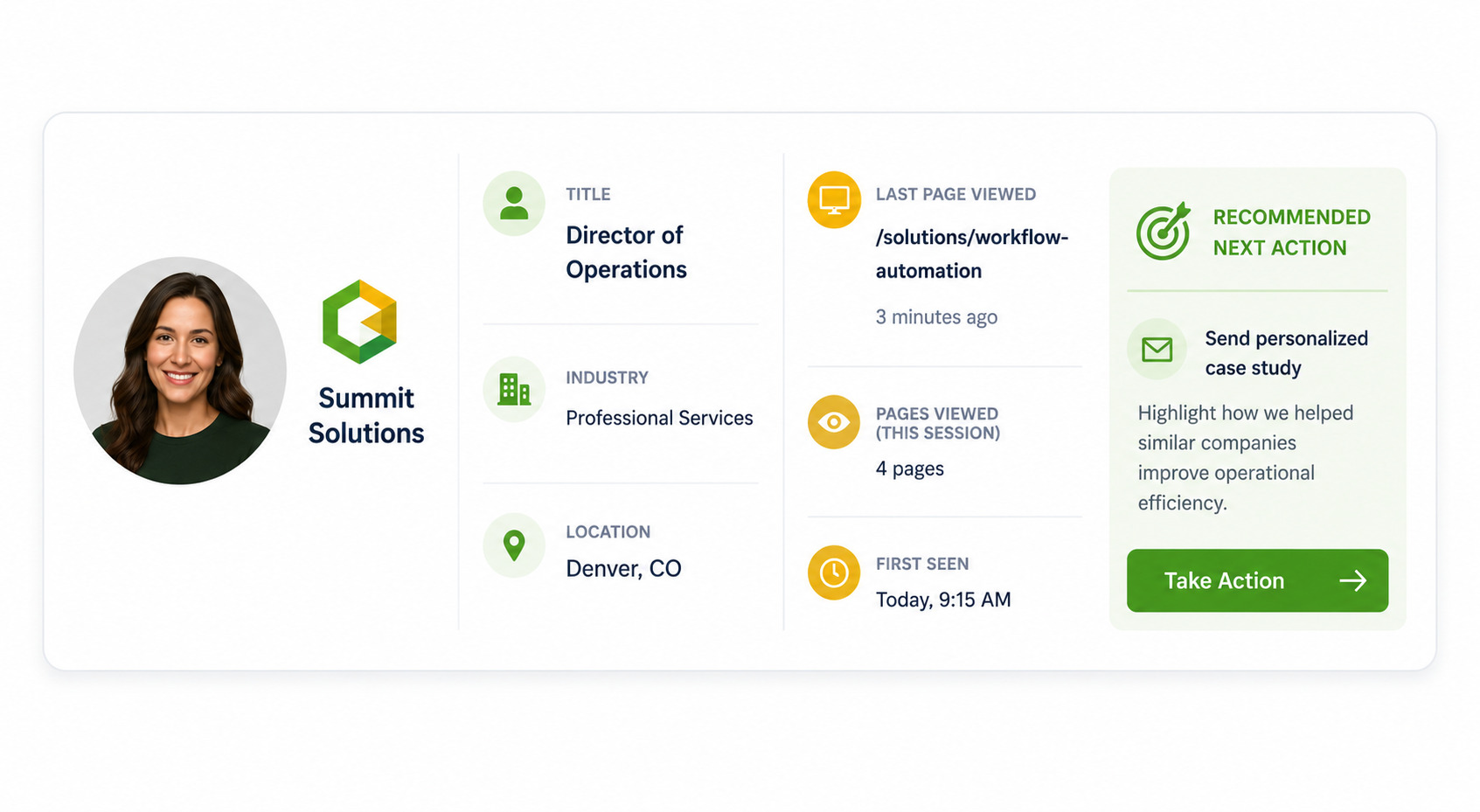
First-party data refers to information a company collects directly from its audiences—be it customers, website visitors, or app users—through owned channels such as websites, apps, email, and social media. This data might include user profiles, purchase histories, website browsing behavior, and direct feedback. Because it is gathered at the source, companies maintain complete control over how first-party data is collected and used, tailoring it to specific business needs with confidence in its accuracy.
By contrast, third-party data is aggregated and sold by external organizations, such as data brokers or ad networks, drawing on a multitude of sources from across the Internet. It encompasses information regarding consumer demographics, interests, and behaviors, often mined through tracking cookies, public databases, and cross-site analysis. Companies buy this data to enhance targeting and segmentation, but often have little insight into its origin or timeliness, leaving room for inaccuracies and broader compliance risks.
Advantages of First-Party Data
Accuracy
The first prominent advantage of first-party data is its superior accuracy. Direct collection methods ensure that information—such as product interest, communication preferences, and behavioral triggers—reflects genuine interactions with the brand. Whether a customer submits feedback through a survey, registers for a webinar, or completes a purchase, businesses can trust the authenticity of the data and segment their audience with precision.
In comparison, third-party data, gathered from dispersed, often anonymous networks, is more likely to suffer from outdated information, incomplete attributes, and irrelevant demographic overlaps. This lack of context translates to broad, generic marketing campaigns rather than personalized experiences, eroding engagement over time.
Ownership
Ownership also gives marketers a competitive edge. First-party data is unique to the organization—it cannot be bought by competitors from a marketplace. Marketers can craft custom segments, employ dynamic personalization, and adapt communications based on real customer behaviors and lifetime value insights, empowering smarter decisions and optimizing campaign effectiveness across touchpoints.
Privacy Compliance in a Regulated World
As privacy regulations have reshaped the digital landscape, businesses must ensure every data point is collected with the proper permissions and transparency. First-party data collection is naturally suited for compliance.
Companies can obtain informed, explicit consent at relevant moments—via opt-in forms, cookie banners, or preference centers—and maintain clear audit trails. Consumers have greater awareness and control over their information, benefiting from their rights to access, modify, and delete personal data under global and regional laws.
Third-party data brings substantial risks. Many organizations purchasing third-party lists lack direct relationships with the individuals represented, making it difficult to trace the collection process and verify compliance. As regulators increase scrutiny of cross-site tracking and unauthorized sharing, businesses are exposed to more legal liability, reputation damage, and the eventual obsolescence of third-party cookies.
Today’s privacy-forward consumers are more likely to reject brands that mishandle information or lack transparency, driving demand for responsible data usage.
Building Lasting Customer Relationships
Effective customer relationships depend on trust, relevance, and value—attributes best served by first-party data. When consumers willingly share information in return for improved experiences, personalized recommendations, and meaningful rewards, loyalty deepens. Organizations that respect this trust and use first-party data to create tailored journeys signal that they listen, care, and safeguard privacy. These factors contribute to higher satisfaction, improved retention, and robust lifetime value.
With third-party data, personal touches become all but impossible. The lack of direct interaction means businesses risk sending irrelevant offers, missing cues for improved service, and alienating audiences with impersonal outreach.
In an age where differentiation comes from brand authenticity, relying on generic profiles and broad market segments simply isn’t enough. Businesses building ethical data practices around first-party methods are primed to strengthen customer bonds and adapt nimbly to changing expectations.
4 Practical Steps for First-Party Data Success
Best practices in first-party data collection start with transparency.
- Establish clear mechanisms for users to share preferences, join loyalty programs, and participate in feedback cycles.
- Provide accessible privacy policies and make opt-out mechanisms user-friendly.
- Regularly update consent frameworks to match evolving regulatory standards, ensuring communication is always relevant and respectful.
- Create opportunities for customers to manage their profiles, review their stored information, and stay informed about how it drives better experiences.
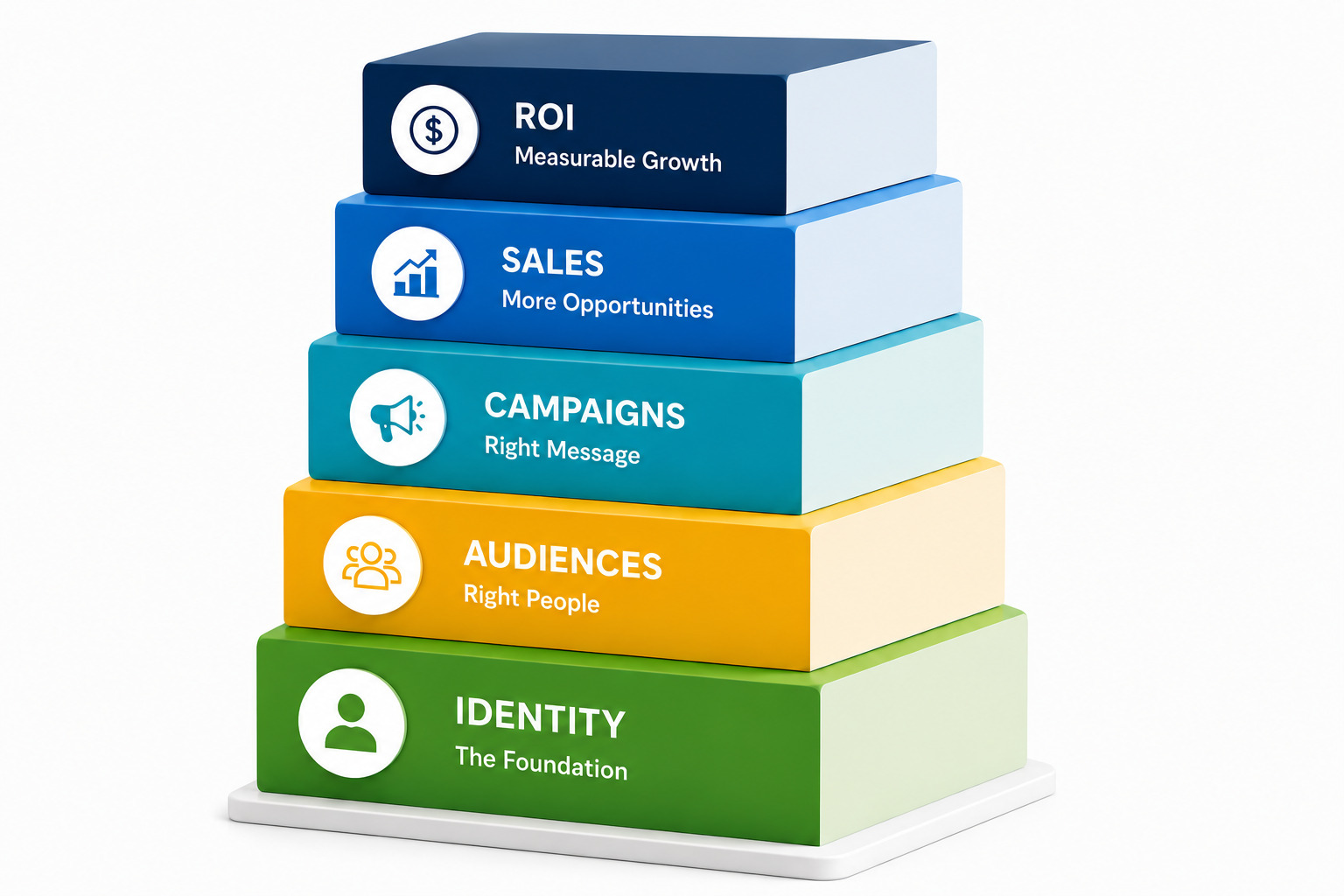
The organizations that thrive are those that make first-party data the center of their marketing and analytics strategies. This shift improves accuracy, simplifies compliance, and lays the foundation for sustainable, trust-based growth in an unpredictable digital landscape.
The ongoing transition away from third-party data is both inevitable and beneficial for marketers and their customers. First-party data stands out for its reliability, privacy compliance, and capacity to fuel genuine relationship building. As businesses respond to regulatory demands and changing consumer sentiment, prioritizing first-party data is no longer just a best practice—it’s a necessary investment in future-proof marketing and brand loyalty.
By embracing transparent, ethical, and customer-centric first-party data strategies, organizations can unlock deeper insights, deliver more relevant experiences, and build stronger, more resilient customer relationships for the years ahead.