
 In today’s hyper-connected world, customers are more informed—and more cautious—than ever about how their data is collected, stored, and used. The rise of data privacy regulations, frequent headlines about data breaches, and growing public awareness of digital rights have made trust an indispensable currency for brands.
As businesses recalibrate for a privacy-first era, the ethical and transparent use of first-party data is emerging as a decisive driver for customer loyalty and sustained growth.
What Is First-Party Data and Why Does It Matter?
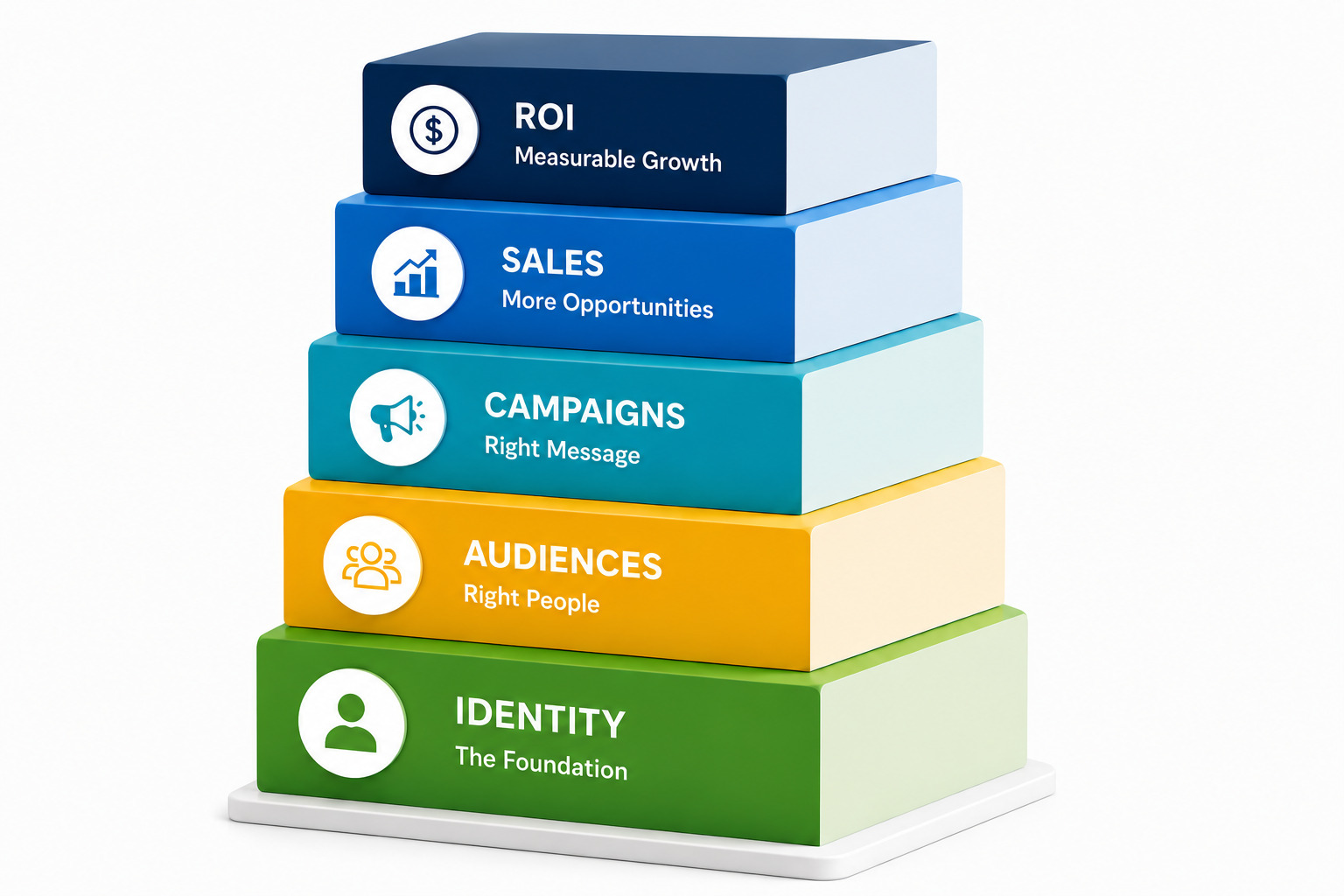
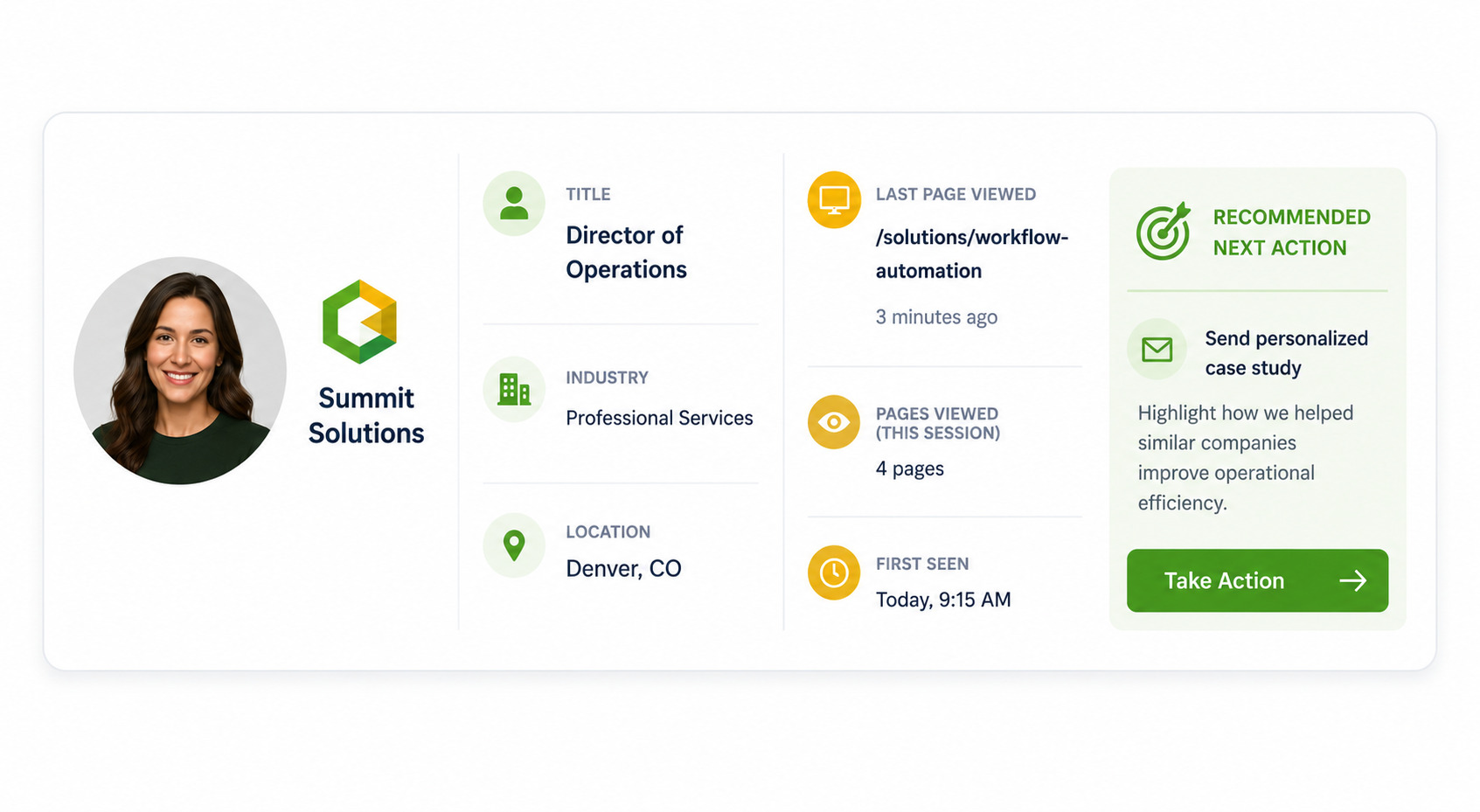
First-party data is information that organizations collect directly from customers via their own channels—like websites, apps, email campaigns, and customer interactions. Unlike third-party data, which comes from external sources and is often less reliable or consent-driven, first-party data is willingly provided by customers themselves.
Benefits of first-party data include:
- Greater accuracy and reliability
- Ownership and direct control
- Deeper customer insights
- Enhanced privacy compliance
- Stronger foundation for personalization
However, these advantages are only meaningful if organizations commit to responsible and transparent handling of customer data.
Transparency and Ethics as Business Catalysts
Transparency is no longer a courtesy; it’s a customer expectation. According to industry insights, 94% of consumers remain loyal to brands that practice transparency, with over half saying they would stay loyal “for life” to companies fully open about their data practices.
Ways transparency builds trust:
- Customers understand what data is collected and why.
- Customers see tangible benefits to sharing information (like better personalization or exclusive offers).
- Customers retain clear control over their data preferences and consent options.
Your brand can practice data transparency by being up front about data collection. Provide disclosures about data collection and make them easy to find on your site, simple to read, and jargon-free. Avoid hiding policies in lengthy legal documents.
It’s also important to explain the value exchange. Clarify how data sharing improves the customer experience, from relevant product recommendations to faster service. Finally, provide easy opt-in/opt-out choices. Customers feel more secure and empowered when they can adjust their data sharing preferences at any time.
Turn Compliance Into A Competitive Advantage
Adhering to privacy laws and ethical standards isn’t just about avoiding fines; it’s about building a reputation for integrity. Ethical data use encompasses:
- Obtaining clear, informed consent
- Limiting data usage to its intended purpose
- Robustly protecting data from breaches or misuse
- Minimizing data collection to only what is strictly necessary
- Respecting data retirement and deletion requests
When customers see that their privacy is respected, they become more likely to share accurate, valuable information—creating a virtuous cycle of data-driven personalization and deeper trust.
Empowering customers' ownership of their data, by giving them easy access, transparent controls, and clear feedback channels, demonstrates respect and signals a relationship built on mutual trust. In practical terms, this includes:
- Self-service dashboards to manage data preferences
- Regular reminders or prompts to review data sharing settings
- Clear policies on data retention, deletion, and portability requests
- Responsible Data Practices Lead to Stronger Relationships
When customers trust a brand’s data stewardship of their data, they are far more willing to share meaningful information, which in turn enables companies to better anticipate needs, personalize communication, and deliver standout experiences.
The key results of responsible first-party data practices include:
- Increased customer loyalty: Customers return to brands that they believe protect their interests.
- Higher-quality data: Willingly shared information is more accurate, leading to better business insights and outcomes.
- Reduced regulatory risk: Proactive, transparent data practices keep your business in step with evolving privacy laws worldwide.
- Brand differentiation: Trust and ethics can set a brand apart in crowded, competitive markets.
Responsible first-party data practices underpinned by transparency and ethical use are essential to the future of successful customer relationships. When customers know you respect their privacy, offer genuine value, and place them in control, trust flourishes.
A transparent, consent-based approach doesn’t just reduce risk or tick compliance boxes; it’s a strategic investment that fuels customer satisfaction, loyalty, and business resilience. In the age of privacy, brands that care about data ethics will earn not just data, but deep and durable customer trust.
Visual Visitor helps you stay compliant with data privacy standards so you can build trust with your customers. Learn more today!